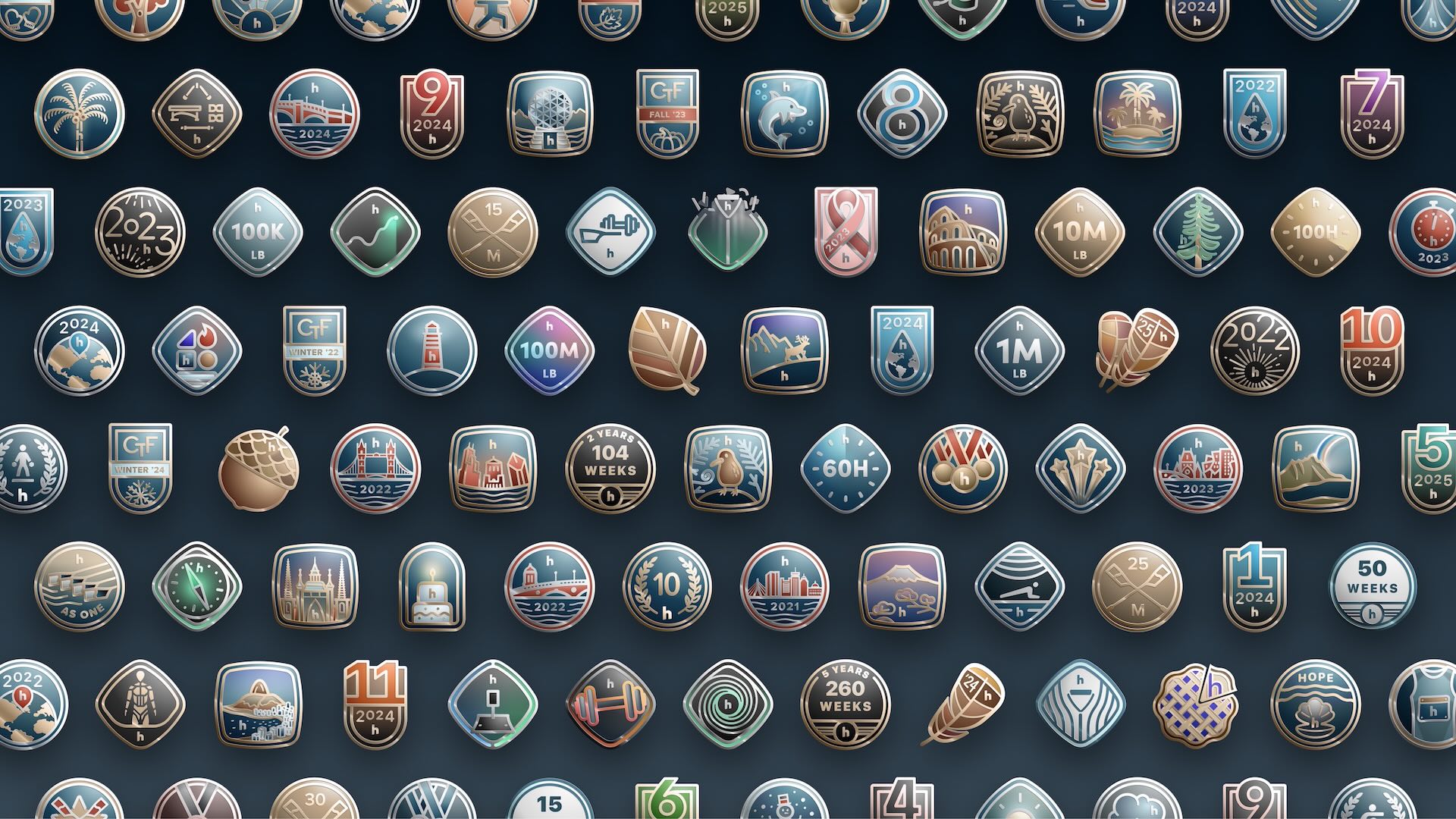
Hydrow Badge System
Illustration

Collectibles and achievements are an incredible motivator. When it comes to fitness, any reason that motivates you to get moving and hit your goals is a good one.
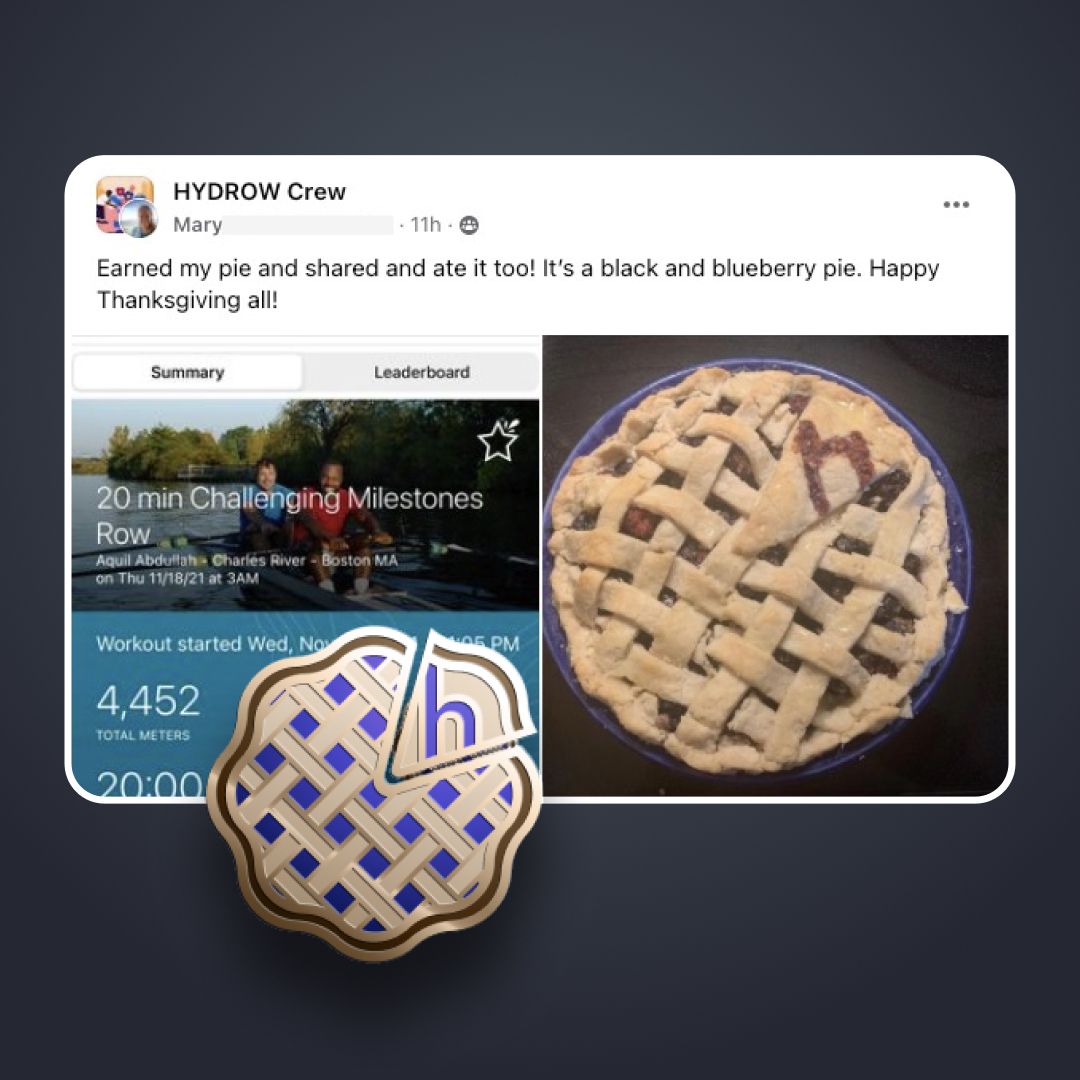
Our members love the badges and stay eager to keep earning them. Some members are especially excited about them, with one member recreating a real-life version of the Thanksgiving blueberry pie badge. This was amazing to see and humbles me at how much earning one can mean to someone.
Developing a system of badge achievements keeps members (and myself) motivated and excited to keep hitting new highs.
To make badges desirable, they must remain expressive and playful. With that said, establishing a strong system that defines when to use certain elements, or even break free from the system, is critical.
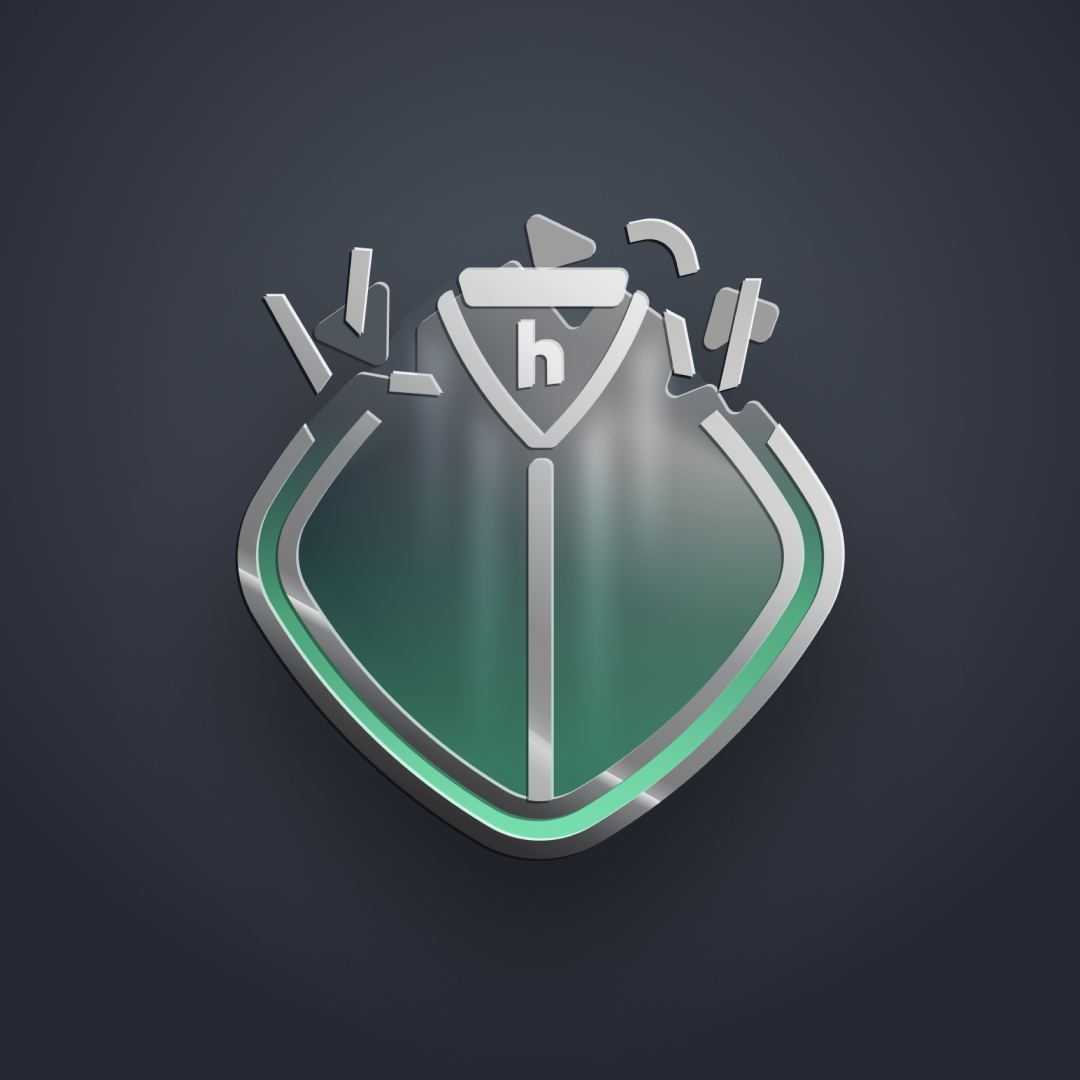
The collection even includes some secret badges. These badges are never shown unless earned, and their unlocking requirements are unrevealed.
I believe that more realistic, physical-looking badges give people a stronger connection to earning them. A badge that looks like you could pick it up and pin it onto a jacket or bag makes it feel more like a personal belonging than a digital image. For this reason, the badge system never deviates into flat, overly simplistic graphics that don’t spark joy.
Much like a physical design system, the badge system has a selection of shapes, metal finishes, and fill colors that keep them cohesive and logical.

The badges come in a handful of carefully sized shapes to ensure they all look optically even, despite very different form factors.
The circular badge is the classic default option used for rowing and cross-platform achievements. The square is reserved exclusively for destination badges, the most extravagant and detailed of the family.
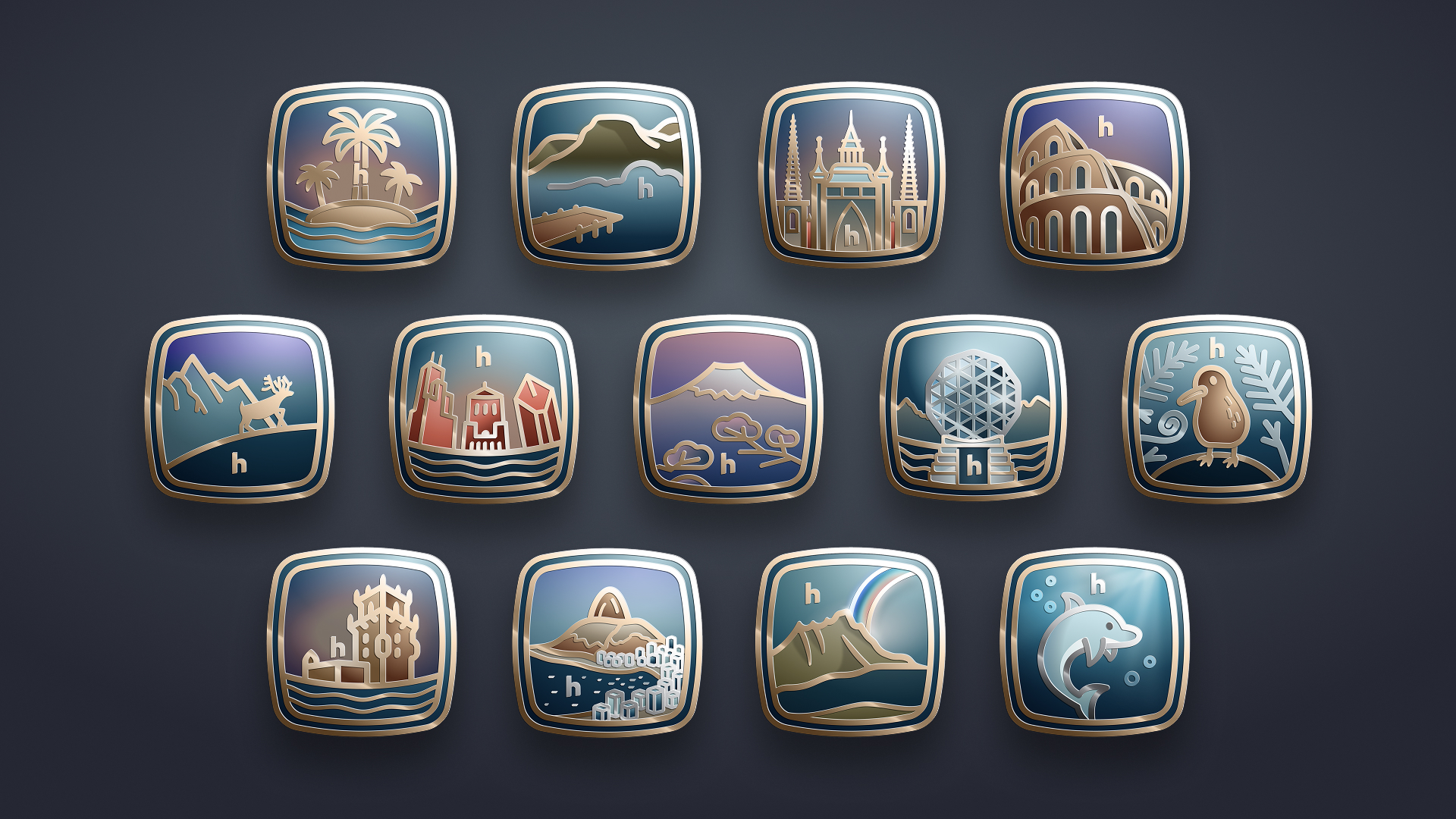
The current set of 13 destination badges.
The shield is for smaller events and challenges, such as World Water Day or our Commit to Fit series. Last, the diamond is used for Lyquid badges. Its angular form echoes the more intense workout experience of weight training.
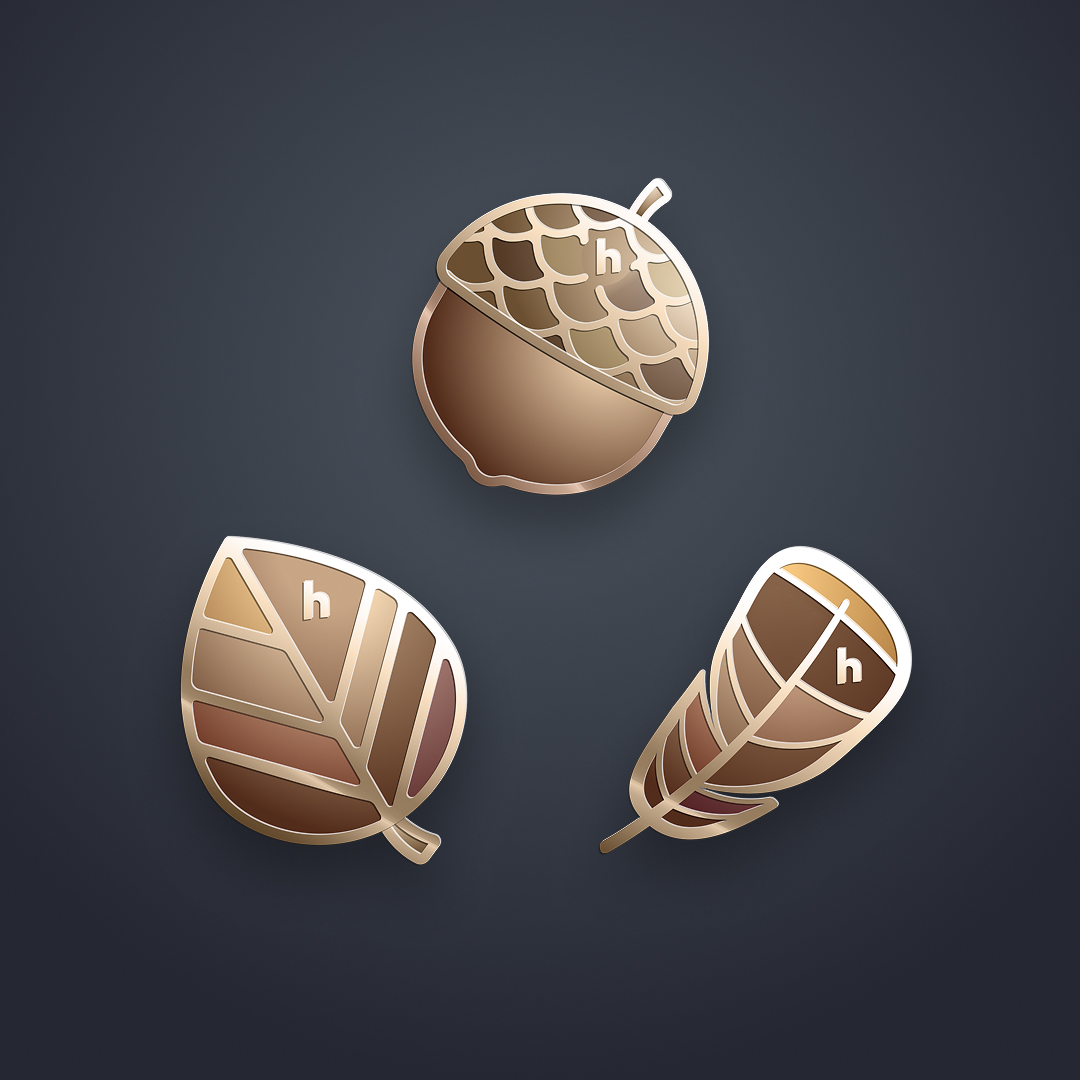
While the badges mostly adhere to the four primary shapes, celebratory events or holidays are excellent opportunities to break free from the established bounds and create a badge with its own unique form.
After the shapes comes the metal finishes. These elements are carefully designed to mimic the polished metal line work found on enamel pins. The metal comes in silver, gold, bronze, graphite, navy, and light blue. Once again, these components are intentionally chosen for each badge based on the context of how it's achieved and the exercise modality used. For example, a hardcore Lyquid strength-training program might use graphite metal for a dark, intense look. A calm, relaxing yoga event may work best with light blue metal.
Once the shape and metal finish is selected, it’s time to create the rest of the badge artwork. The system includes a range of color styles with gradients that match the polished metal’s angle of light. The central artwork for each badge uses a monoline style and rounded corners, again mimicking the attributes of enamel pins.
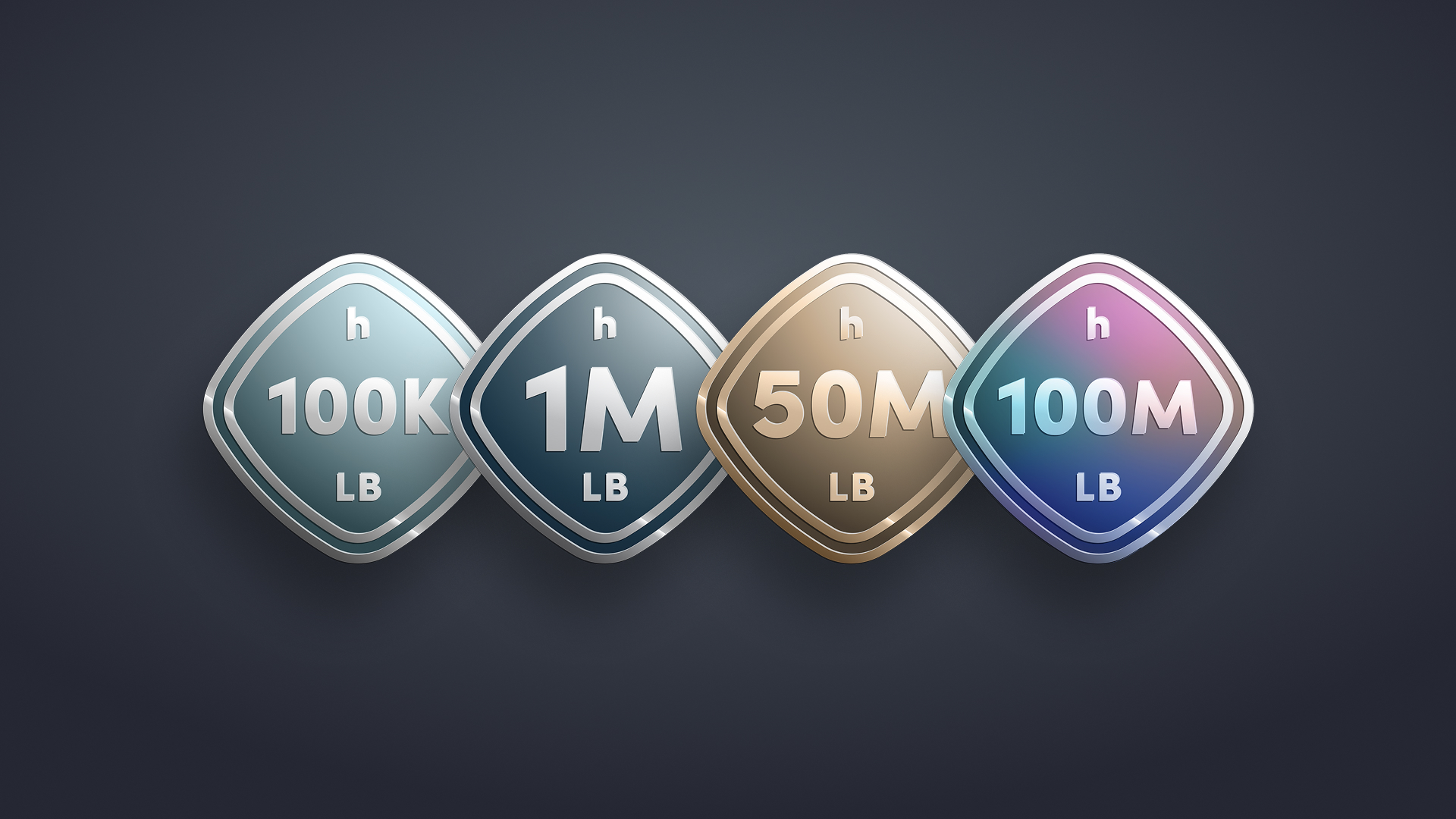
For badges with multiple instances, creating a range of color combinations conveys a sense of progression.
I’ve created more than 550 badges for Hydrow’s achievement collection. With a library this expansive, there’s always something to look forward to after a good workout.